
www.afroknowledge.com
African Women Leaders Throughout History
Queens, Warriors, and Revolutionaries Who Shaped Nations
Sections
Throughout African history, women have wielded extraordinary power as queens, military leaders, diplomats, and empire builders. Unlike European history where female rulers were rare exceptions, African societies had established traditions of female leadership, from Egypt's pharaohs to West Africa's queen mothers and East Africa's warrior queens.
These women didn't just rule—they led armies into battle, negotiated with foreign powers, expanded territories, and shaped the course of history. Many have been forgotten or minimized by colonial historians who couldn't imagine powerful African women. This guide reclaims their stories.
From ancient Egypt to the 20th century, these leaders overcame gender barriers, political intrigue, and military threats to leave lasting legacies. Their stories challenge stereotypes about both African history and women's capabilities in leadership.

Queen Nzinga of Ndongo and Matamba
1583-1663
Region:
Angola
Overview:
Brilliant military strategist who fought Portuguese colonization for 40 years, using diplomacy, guerrilla warfare, and political alliances.
Major Achievements:
- Resisted Portuguese colonization for four decades
- Built powerful military alliances
- Negotiated as equals with European powers
- Granted sanctuary to escaped enslaved people and Portuguese deserters
"I am the queen of Ndongo and Matamba. I bow to no one."
Leadership Style:
Combined military genius with diplomatic skill, dressed as a man to lead troops in battle, and refused to accept subordinate status
Legacy:
Symbol of African resistance to colonialism and inspiration for anti-colonial movements worldwide

Yaa Asantewaa
1840-1921
Region:
Ghana (Ashanti Empire)
Overview:
Led the Ashanti rebellion against British colonialism when male leaders hesitated, commanding an army of thousands.
Major Achievements:
- Led the War of the Golden Stool (1900) against British
- Commanded 5,000 warriors in battle
- Rallied Ashanti chiefs when they wanted to surrender
- Became symbol of female empowerment in Africa
"If you, the men of Ashanti, will not go forward, then we will. I shall call upon my fellow women. We will fight the white men!"
Leadership Style:
At age 60, challenged male chiefs to fight or let women lead, then personally commanded troops in guerrilla warfare
Legacy:
Inspired Pan-African movements and remains a symbol of courage in Ghana today
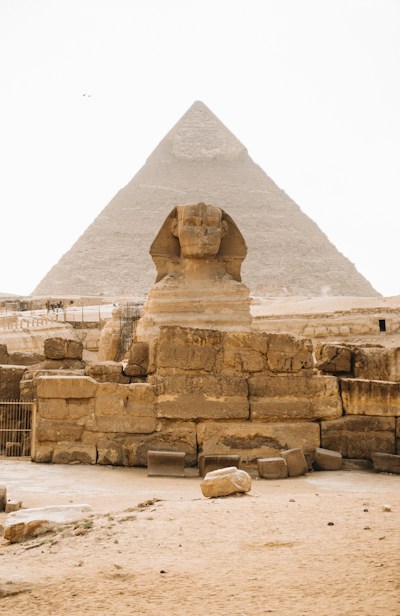
Cleopatra VII
69-30 BCE
Region:
Egypt
Overview:
Last active pharaoh of Egypt, brilliant politician who spoke multiple languages and navigated complex Roman politics.
Major Achievements:
- Ruled Egypt for 21 years during turbulent times
- Spoke 9 languages fluently
- Forged powerful alliances with Julius Caesar and Mark Antony
- Strengthened Egypt's economy and naval power
"I will not be triumphed over."
Leadership Style:
Used intelligence, charm, and political acumen to protect Egypt's independence during Rome's expansion
Legacy:
Most famous female ruler in history, though often reduced to beauty rather than intellect and strategy

Queen Amina of Zaria
c. 1533-1610
Region:
Nigeria (Hausaland)
Overview:
Expanded Zaria's territory to its largest size, built fortified walls around cities, and revolutionized military tactics.
Major Achievements:
- Ruled for 34 years, constantly at war expanding territory
- Built defensive walls (Amina's Walls) around cities
- Introduced metal armor to her cavalry
- Controlled major trade routes across Sahara
"A woman is as capable as a man to lead in battle."
Leadership Style:
Trained as warrior from age 16, rejected marriage to focus on military conquest and state building
Legacy:
Her defensive walls still stand today; inspired generations of African women leaders
Makeda, Queen of Sheba
c. 960 BCE
Region:
Ethiopia/Yemen
Overview:
Legendary queen who traveled to Jerusalem to meet King Solomon, bringing enormous wealth and establishing Ethiopia's Solomonic dynasty.
Major Achievements:
- Controlled lucrative incense and spice trade routes
- Established diplomatic relations with ancient Israel
- Founded Solomonic dynasty that ruled Ethiopia until 1974
- Promoted wisdom and knowledge in her kingdom
"The fame of wisdom is worth more than gold."
Leadership Style:
Traveled 1,400 miles to meet Solomon, demonstrating curiosity, courage, and diplomatic vision
Legacy:
Central figure in Ethiopian, Jewish, and Islamic traditions; symbol of wisdom and power
Hatshepsut
c. 1507-1458 BCE
Region:
Egypt
Overview:
One of Egypt's most successful pharaohs, ruled for 22 years, commissioned hundreds of construction projects, and expanded trade.
Major Achievements:
- Longest-reigning female pharaoh of Egypt
- Built magnificent mortuary temple at Deir el-Bahari
- Launched major trading expedition to Land of Punt
- Presided over era of peace and prosperity
"Now my heart turns this way and that, as I think what the people will say—those who shall see my monuments in years to come."
Leadership Style:
Declared herself pharaoh (not queen), wore false beard and male regalia, and ruled as equal to male predecessors
Legacy:
Her reign was so successful that successors tried to erase her from history out of jealousy

Nandi, Mother of Shaka Zulu
c. 1760-1827
Region:
South Africa (Zulu Kingdom)
Overview:
Overcame social stigma and exile to become one of the most powerful women in Zulu history, shaping her son Shaka's rise to power.
Major Achievements:
- Raised and advised Shaka Zulu, founder of Zulu nation
- Overcame ostracism and discrimination
- Wielded significant political influence as Queen Mother
- Her death caused profound mourning across the kingdom
"A child without a mother is like a fish out of water."
Leadership Style:
Instilled resilience and ambition in Shaka despite their exile, becoming his most trusted advisor
Legacy:
Honored as 'mother of the Zulu nation'; her life inspired films, books, and cultural celebrations
Nefertiti
c. 1370-1330 BCE
Region:
Egypt
Overview:
Powerful queen who ruled alongside Pharaoh Akhenaten, promoted monotheistic revolution, and may have ruled as pharaoh after his death.
Major Achievements:
- Equal co-ruler with pharaoh, unprecedented power for a queen
- Led religious revolution introducing monotheism
- Depicted in royal ceremonies performing rituals usually reserved for pharaohs
- Her bust is one of most famous ancient artifacts
"The beautiful one has come."
Leadership Style:
Portrayed in art as equal in size to pharaoh, smiting enemies—roles typically reserved for male rulers
Legacy:
Icon of beauty and power; possibly ruled as pharaoh Neferneferuaten after Akhenaten's death