The Great Empires of Africa
Journey through time to discover the powerful kingdoms and empires that shaped the continent's history with their wealth, innovation, and culture.
Timeline Explorer
Click on any empire to scroll to its details
Explore locations, territories, and ancient trade routes
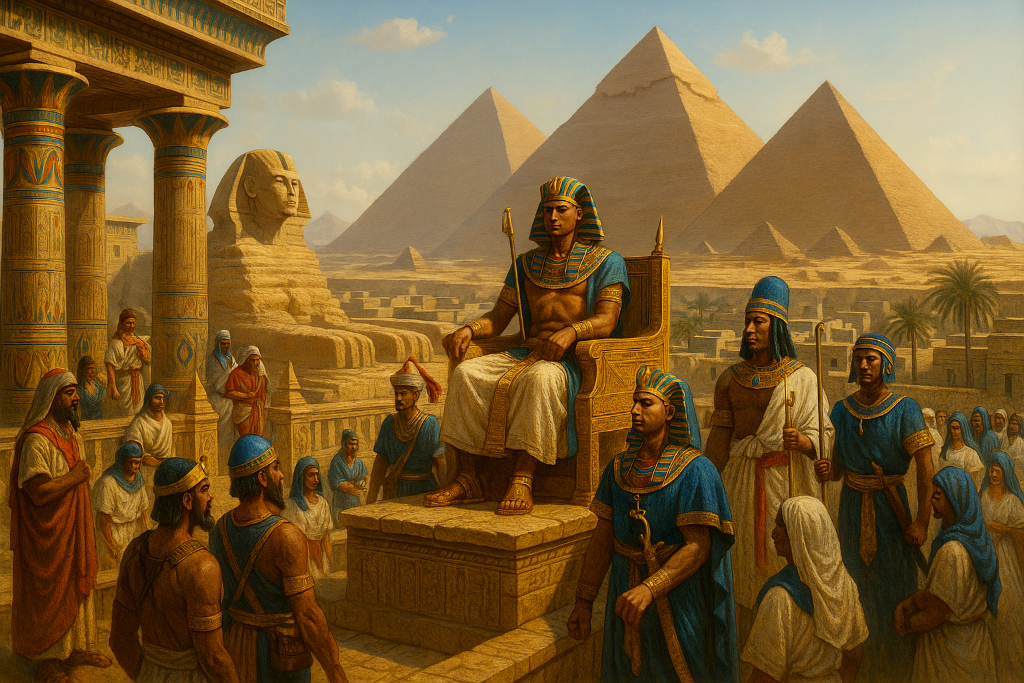
c. 3100 BCE – 30 BCE
A foundational civilization of the ancient world, Ancient Egypt is renowned for its monumental pyramids, divine pharaohs, and hieroglyphic writing. It thrived for millennia along the Nile River, making incredible advances in mathematics, medicine, and architecture.
An indigenous African civilization with deep ties to Nubia
Built the Great Pyramids and the Sphinx
Developed the hieroglyphic writing system
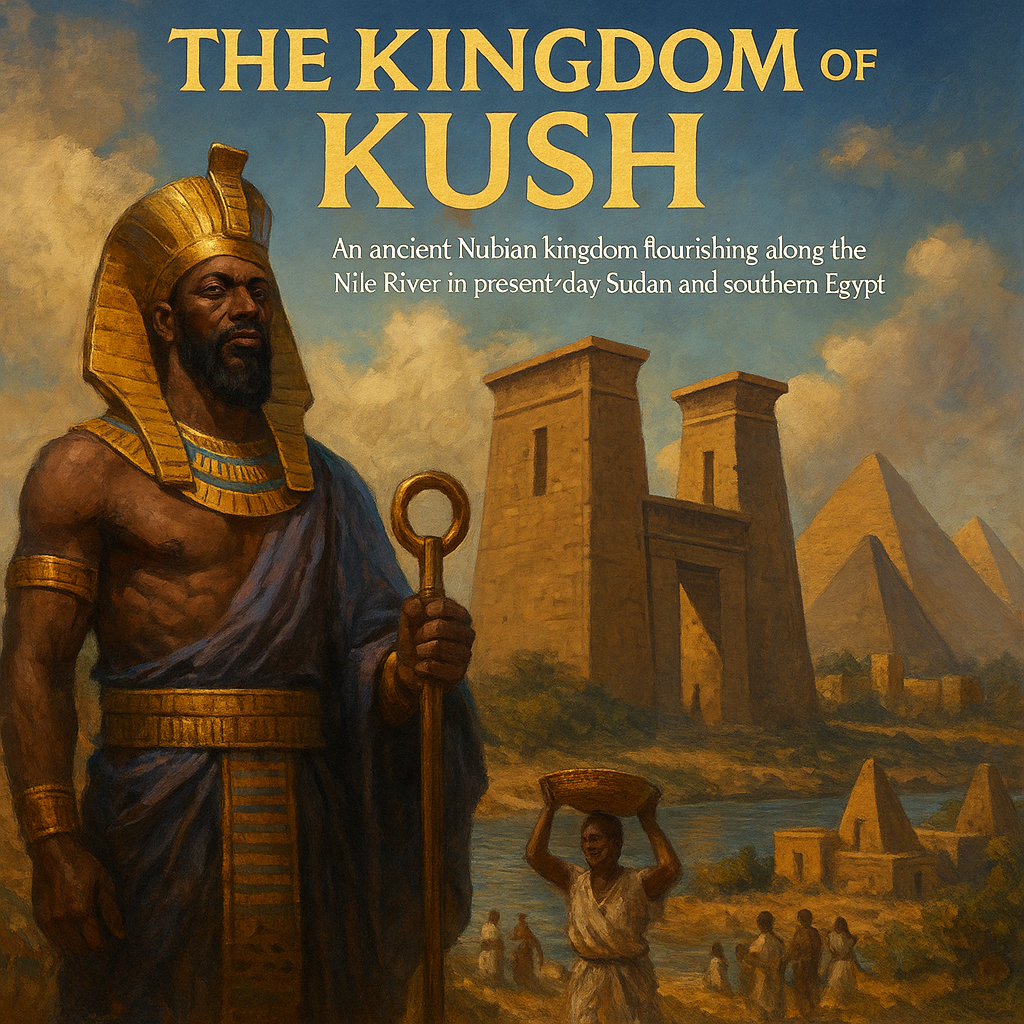
c. 1070 BCE – 350 CE
A powerful civilization that once conquered and ruled Egypt as the 25th Dynasty. The Kushites were masters of ironworking, built their own style of pyramids, and developed the Meroitic script—one of Africa's oldest written languages.
Ruled Egypt as the 25th Dynasty
Built over 200 pyramids, more than Egypt
Developed the Meroitic written language
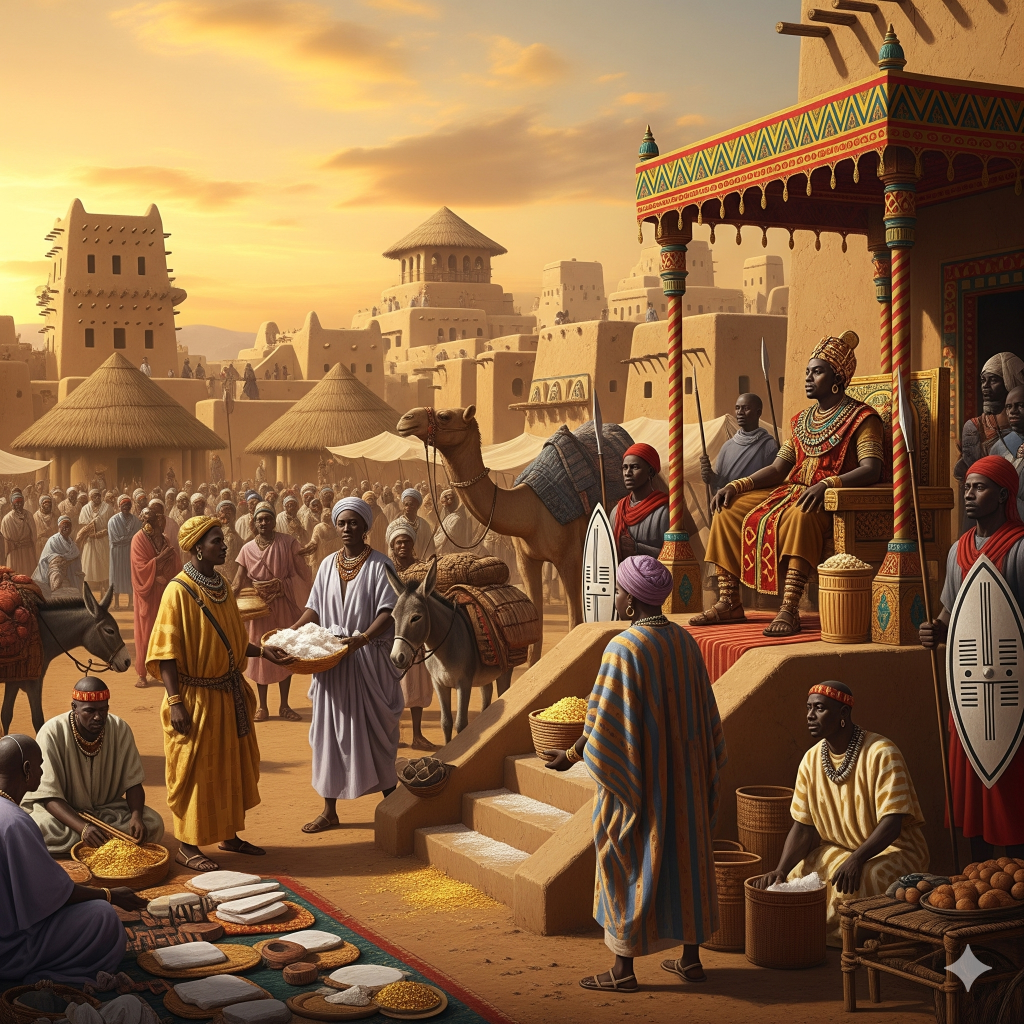
c. 750 – 1235 CE
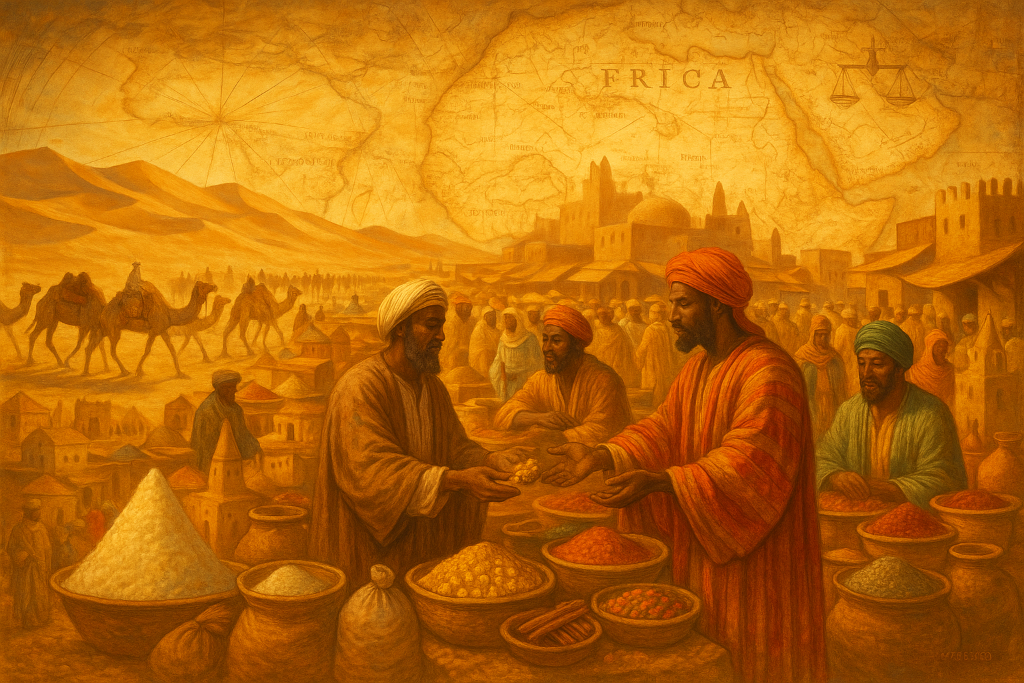
The first of the great West African trading empires, Ghana was known as the 'Land of Gold.' Its immense wealth was derived from controlling the trans-Saharan trade routes, taxing the lucrative exchange of gold from the south for salt from the north.
Known to Arabs as the 'Land of Gold'
Controlled the trans-Saharan gold and salt trade
The first of the great West African trading empires
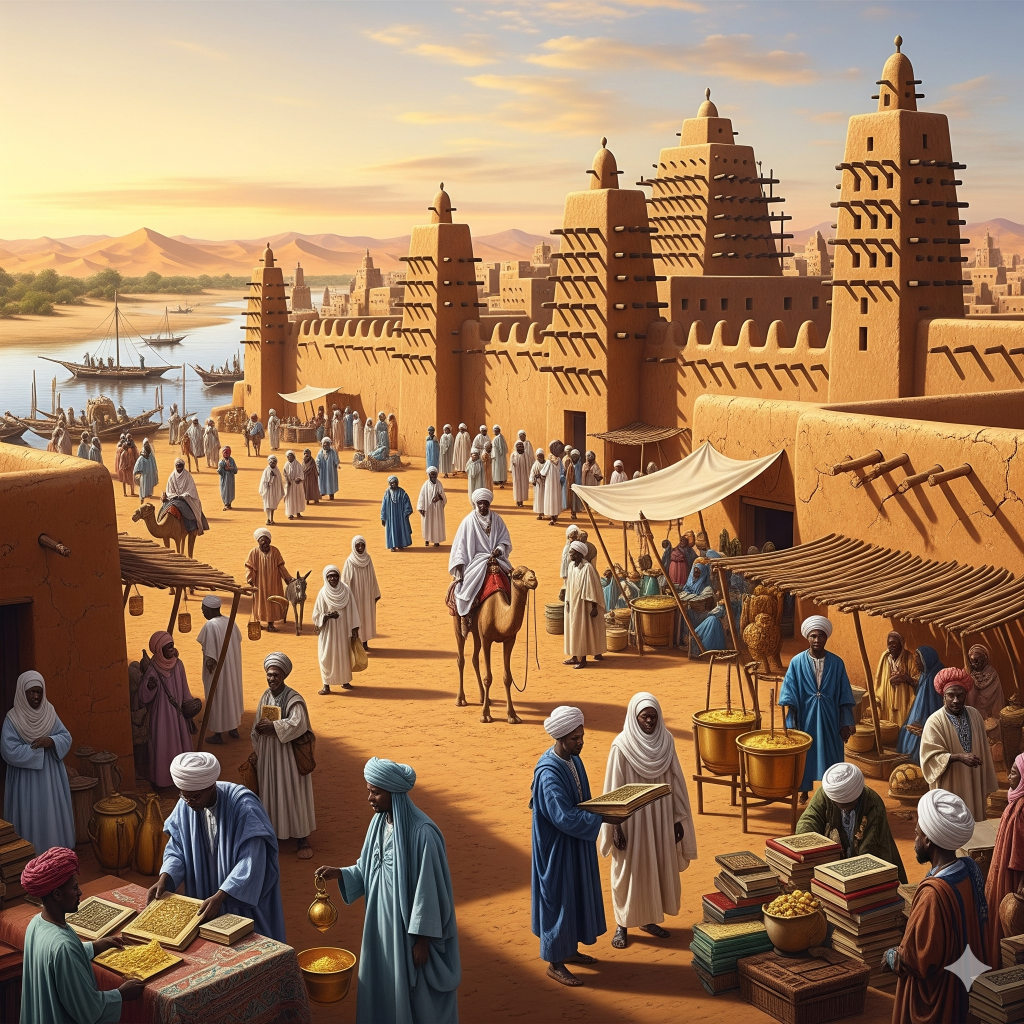
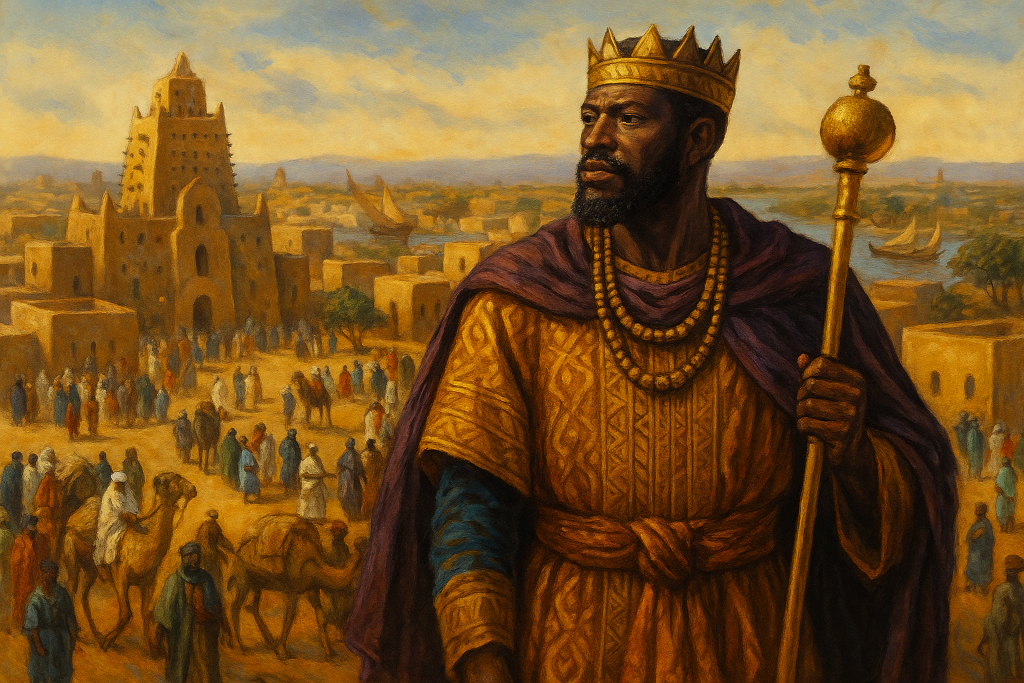
c. 1235 – 1670 CE
One of the wealthiest empires in history, the Mali Empire was famed for its vast gold reserves and the legendary pilgrimage of its ruler, Mansa Musa. It was a major center for trade, culture, and learning, with the city of Timbuktu housing vast libraries and universities.
Ruled by the legendary Mansa Musa
Controlled vast gold and salt trade routes
Home to the Sankore University in Timbuktu
c. 1464 – 1591 CE
Succeeding the Mali Empire, the Songhai Empire became one of the largest states in African history. Under leaders like Askia the Great, it expanded its territory and established a sophisticated bureaucracy, a professional army, and standardized weights and measures.
One of the largest empires in African history
Led by the great military strategist Askia the Great
Centralized administration and trade
c. 1100 – 1450 CE
The capital of the Kingdom of Zimbabwe, Great Zimbabwe was a thriving city built entirely of stone without mortar. At its peak, it housed up to 18,000 people and served as a major trading center, connecting the interior of Africa with the Swahili coast and Indian Ocean trade networks.
Built with over 900,000 granite blocks without mortar
Walls up to 11 meters high and 5 meters thick
Major trading center with connections to China and Persia
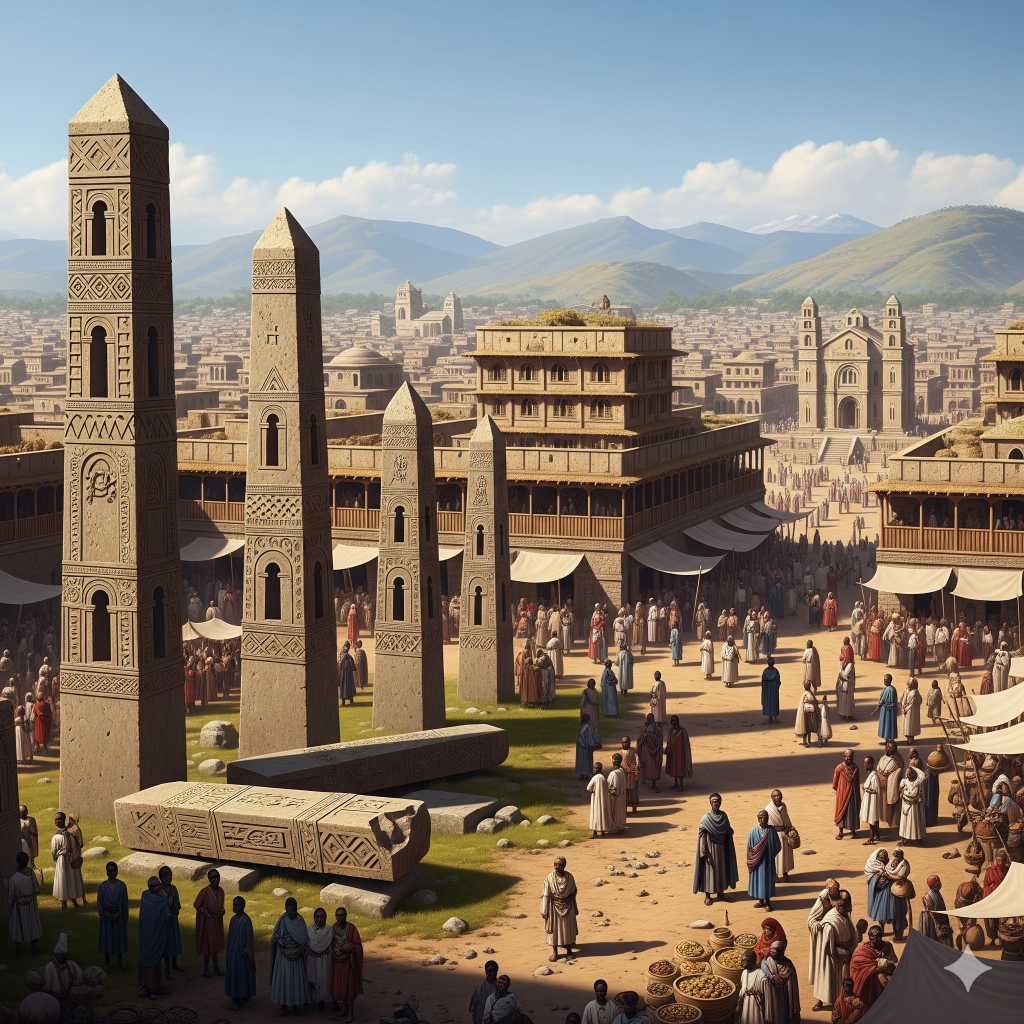
c. 100 CE – 940 CE
A major naval and trading power that linked the Roman Empire with Ancient India. The Aksumite Empire was one of the first in the world to officially adopt Christianity and was famous for its monumental obelisks (stelae) and for minting its own currency.
Major hub for international trade (Rome to India)
Erected giant carved obelisks, or stelae
One of the first major empires to adopt Christianity
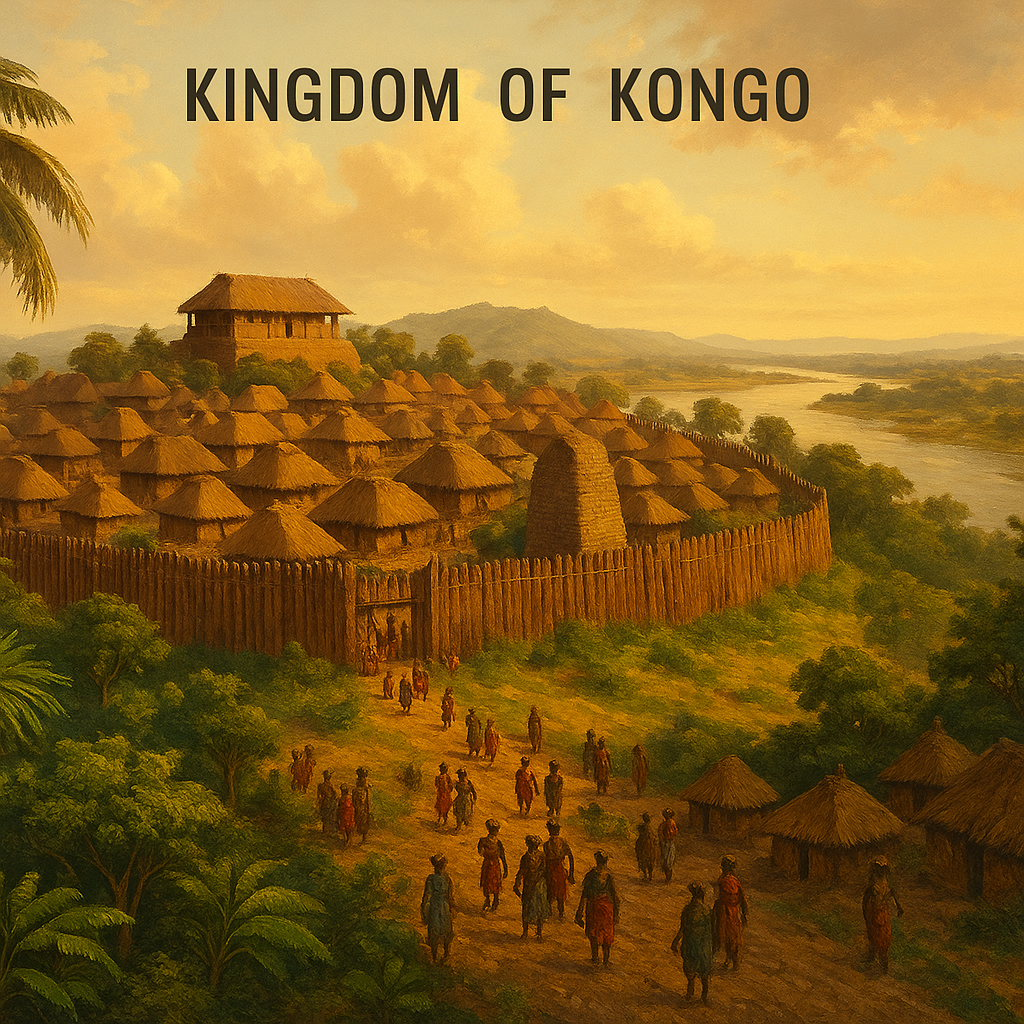
c. 1390 – 1914 CE
A highly centralized and powerful state, the Kingdom of Kongo had a sophisticated political and social structure long before European arrival. It established diplomatic relations with Portugal in the 15th century, leading to a complex history of trade, cultural exchange, and conflict.
Highly centralized monarchy with elected kings
One of the first African kingdoms to engage with Europe
Rich artistic traditions in sculpture and textiles
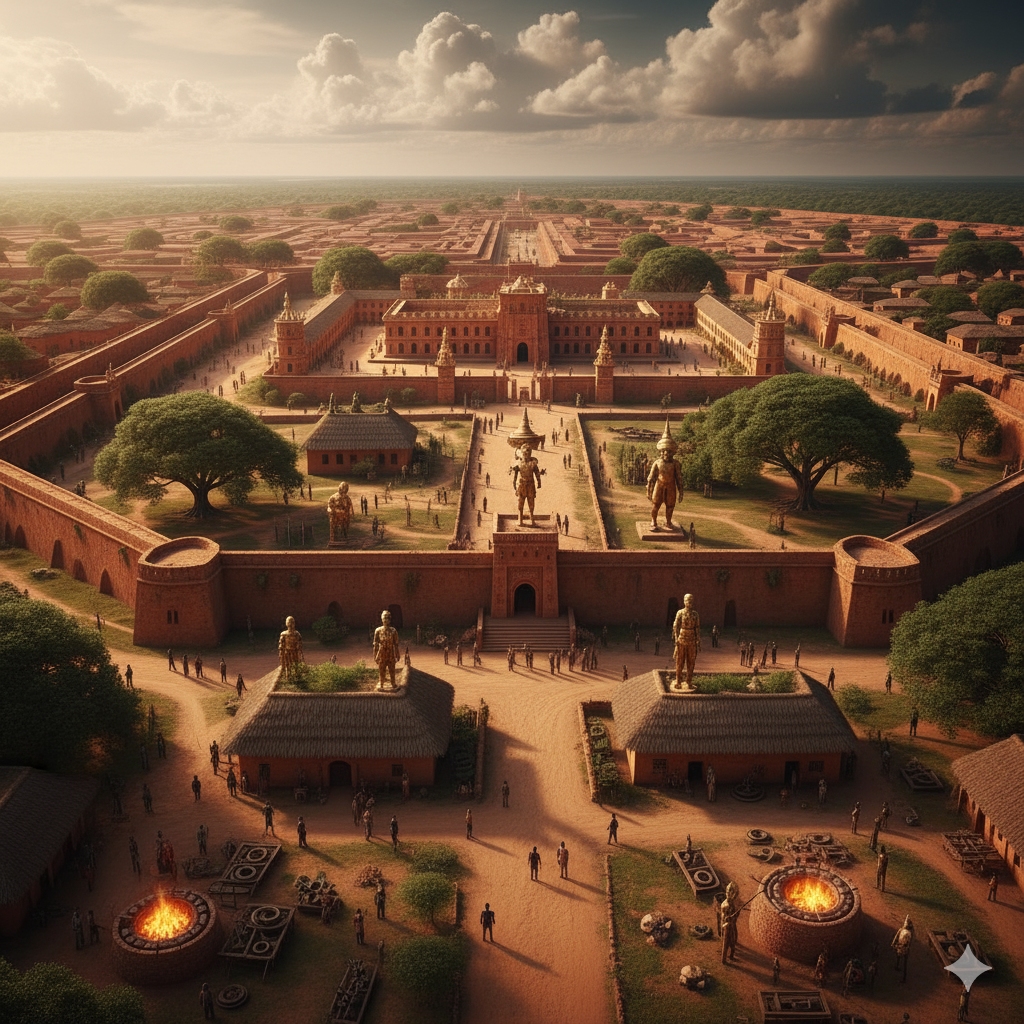
c. 1180 – 1897 CE
The Benin Empire was one of Africa's most sophisticated civilizations, renowned for its exceptional bronze and brass artworks, some of the finest metalwork in the world. The kingdom had a highly organized political system, advanced urban planning, and was a major center of art and culture.
Created the famous Benin Bronzes—masterpieces of metalwork
Had one of the world's first urban centers with wide streets
Established diplomatic relations with Portugal in the 15th century
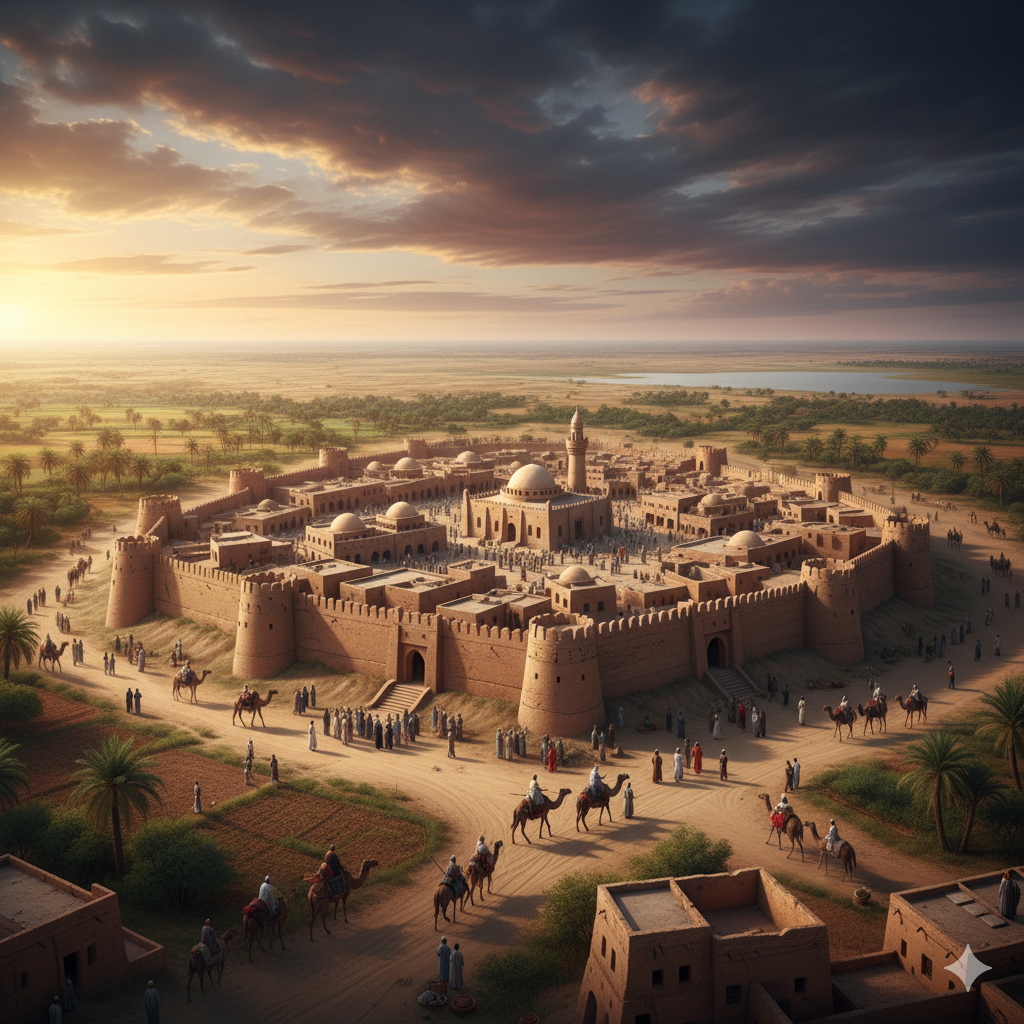
c. 700 – 1900 CE
One of Africa's longest-lasting empires, Kanem-Bornu controlled the trans-Saharan trade routes for over a millennium. It was a major center of Islamic learning and scholarship, with close ties to North Africa and the Middle East.
One of Africa's longest-lasting empires—over 1,000 years
Major center of Islamic scholarship and Quranic studies
Controlled crucial trans-Saharan trade routes around Lake Chad
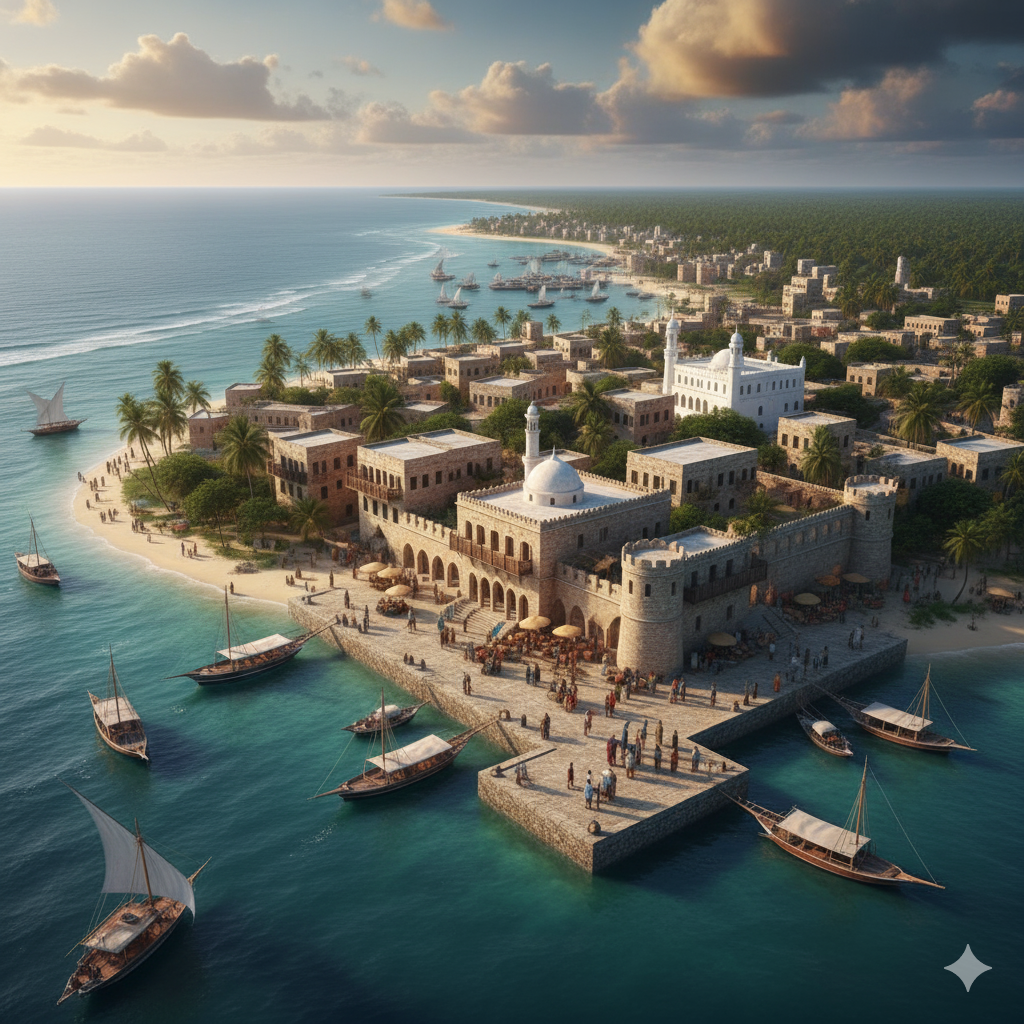
c. 800 – 1500 CE
The Swahili city-states were a network of cosmopolitan trading cities along the East African coast. They prospered through Indian Ocean trade, connecting Africa with Arabia, Persia, India, and China.
Connected Africa to the Indian Ocean trade network
Developed the Swahili language—a blend of Bantu and Arabic
Built stunning coral stone mosques and palaces
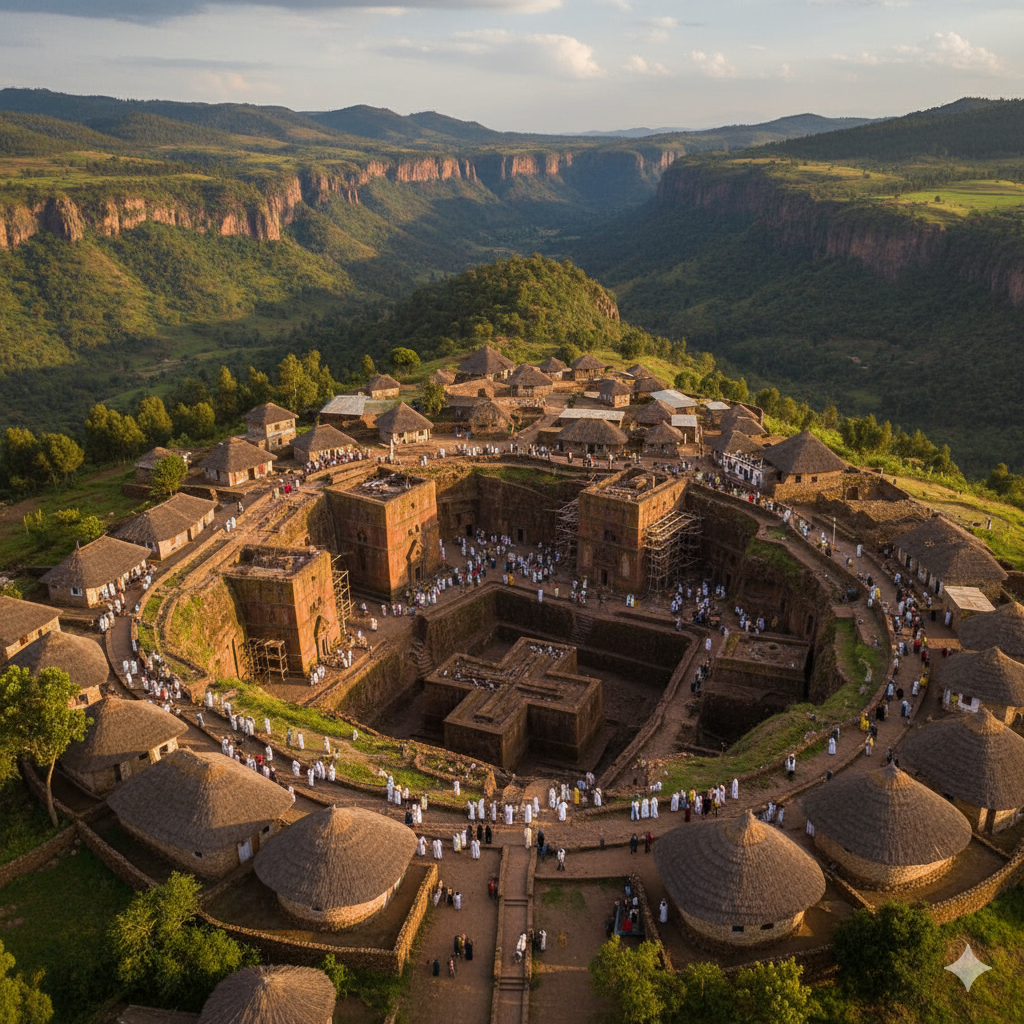
c. 1137 – 1270 CE
The Zagwe Dynasty succeeded the Aksumite Empire and is most famous for the rock-hewn churches of Lalibela, considered one of the wonders of the medieval world. These eleven churches were carved from solid rock.
Created the legendary rock-hewn churches of Lalibela
Continued Ethiopia's Christian tradition
Churches are still active places of worship today

c. 1075 – 1220 CE
The Kingdom of Mapungubwe was the first major state in southern Africa, preceding Great Zimbabwe. It was a sophisticated society based on cattle herding, agriculture, and gold trade with the East African coast.
First major state in southern Africa
Famous for the golden rhinoceros artifact
Traded gold and ivory with East African coastal cities
c. 1430 – 1760 CE
Succeeding Great Zimbabwe, the Mutapa (or Monomotapa) Empire controlled the gold trade and maintained diplomatic relations with Portuguese traders. The kingdom was renowned for its wealth, sophisticated governance, and control of important trade routes to the coast.
Controlled extensive gold mines and trade routes
Maintained diplomatic relations with Portugal
Sophisticated administrative system with provincial governors
c. 1600 – 1904 CE
The Kingdom of Dahomey was a powerful West African state famous for its elite female warriors, the Ahosi (Dahomey Amazons). The kingdom developed sophisticated military tactics, administrative systems, and participated extensively in regional trade.
Elite female warriors (Ahosi) comprised up to one-third of the army
Royal palaces of Abomey are UNESCO World Heritage sites
Sophisticated military and administrative organization
c. 1670 – 1902 CE
The Ashanti (Asante) Empire was one of the most powerful states in West Africa, controlling gold mines and trade routes. Famous for the Golden Stool, symbol of the Ashanti nation, the empire demonstrated sophisticated governance, military prowess, and artistic achievement.
The Golden Stool symbolizes the soul of the Ashanti nation
Controlled major gold mining regions
Defeated British forces multiple times before colonization
c. 14th century – present
The Kingdom of Buganda became one of the most powerful states in the Great Lakes region. Known for its sophisticated political organization, the kabaka (king) ruled through a system of appointed chiefs. The kingdom played a crucial role in East African politics and trade.
Sophisticated administrative system with appointed rather than hereditary chiefs
Controlled strategic position on Lake Victoria
Strong oral traditions and cultural practices
c. 1400 – 1835 CE
The Oyo Empire was a powerful Yoruba state that controlled extensive territories in West Africa. Famous for its cavalry, the empire developed sophisticated political institutions including checks on royal power and participated in trans-Saharan and Atlantic trade.
Powerful cavalry force dominated regional warfare
Sophisticated political system with checks on royal power
Major center of Yoruba culture and political influence
c. 1816 – 1897 CE
The Zulu Kingdom rose to prominence under King Shaka, who revolutionized military tactics and created one of the most formidable fighting forces in African history. The kingdom's military innovations, centralized administration, and cultural achievements made it a dominant power in Southern Africa.
Revolutionary military tactics including the 'horns of the buffalo' formation
Defeated British forces at the Battle of Isandlwana (1879)
Rich cultural traditions including dance, music, and beadwork
c. 1270 – 1974 CE
Claiming descent from King Solomon and the Queen of Sheba, the Solomonic Dynasty ruled Ethiopia for seven centuries. Ethiopia remained independent during the colonial era, successfully defeating Italian invasion in 1896. The empire was a center of Orthodox Christianity and maintained unique cultural traditions.
Never colonized, defeating Italy at the Battle of Adwa (1896)
Maintained Orthodox Christianity for over 1,600 years
Produced illuminated manuscripts and unique architectural styles
c. 15th century – 1962 CE
The Kingdom of Rwanda developed a sophisticated centralized monarchy with a complex social structure. The kingdom's political organization, cultural practices, and pastoral traditions created a unique civilization in the Great Lakes region. The mwami (king) ruled through an intricate system of chiefs and sub-chiefs.
Highly centralized monarchy with sophisticated administrative structure
Rich oral traditions preserving dynastic history
Famous for Intore dance and warrior traditions
c. 1660 – 1866 CE
The Rozvi Empire succeeded the Mutapa Kingdom and controlled much of the Zimbabwe plateau. Known for their military prowess and stone architecture, the Rozvi maintained trade networks with the Portuguese on the coast while preserving indigenous traditions. The empire was eventually conquered by the Ndebele in the 1830s-1860s.
Continued Great Zimbabwe's stone building traditions
Controlled gold trade and maintained regional dominance
Religious authority through the Mwari cult
Their Echoes Today: Lasting Legacies
These ancient civilizations continue to shape our world today—from architecture to language, culture to governance
The pyramids remain one of the Seven Wonders and inspire modern architecture worldwide.
Hieroglyphics influenced the development of writing systems and modern linguistics.
Egyptian mythology, art, and symbolism continue to influence popular culture, from movies to fashion.
Over 200 Kushite pyramids still stand in Sudan, a UNESCO World Heritage site.
The Meroitic script represents one of Africa's oldest independent writing systems.
Kushite ironworking techniques influenced metallurgy across Africa.
Inspired the name of modern Ghana, though located in a different region.
Established trade networks and commercial practices still evident in West African markets today.
The Soninke people maintain cultural traditions from the Ghana Empire era.
Timbuktu's ancient manuscripts (hundreds of thousands) are being preserved and digitized today.
The Great Mosque of Djenné, a UNESCO site, showcases Sudano-Sahelian architecture still used today.
Malian griots (oral historians) continue the tradition of preserving history through storytelling and music.
The Tomb of Askia in Gao remains a UNESCO World Heritage site and pilgrimage destination.
Askia's administrative reforms influenced governance structures across West Africa.
Songhai cultural practices are still observed by Zarma and Songhai peoples today.
Great Zimbabwe is a UNESCO World Heritage site and symbol of African architectural achievement.
The ruins inspired the name of modern Zimbabwe and its national identity.
Demonstrates sophisticated urban planning and dry-stone construction techniques.
The Ge'ez script developed by Aksum is still used in Ethiopia today.
The Obelisk of Axum is a UNESCO World Heritage site.
Ethiopian Orthodox Christianity traces its roots to the Aksumite Empire.
Kongo culture influenced African diaspora traditions in the Americas.
Mbanza Kongo is a UNESCO World Heritage site.
The Kingdom's history exemplifies complex African-European interactions.
The Benin Bronzes are displayed in museums worldwide, with ongoing repatriation efforts.
Benin City's earthworks were longer than the Great Wall of China.
Benin art influenced modern artists including Picasso.
The Bornu Sultanate continues as a traditional institution in modern Nigeria.
Kanem-Bornu was a bridge between sub-Saharan Africa and the Islamic world.
The empire's longevity demonstrates African state-building capacity.
Swahili is spoken by over 100 million people today.
Lamu Old Town and Stone Town of Zanzibar are UNESCO World Heritage sites.
Swahili culture represents a unique Afro-Arab fusion.
Lalibela is a UNESCO World Heritage site and major pilgrimage destination.
The rock-hewn churches are engineering marvels still studied today.
Represents the continuity of Ethiopian Christian tradition.
Mapungubwe is a UNESCO World Heritage site.
The golden rhinoceros is a South African national treasure.
Demonstrates sophisticated pre-colonial state formation in Southern Africa.
The Mutapa kingdom's history is central to Zimbabwean and Mozambican identity.
Royal traditions and governance systems influenced modern political structures.
Demonstrated African agency in early European contact periods.
The story of the Dahomey Amazons inspired modern films and literature.
The Royal Palaces of Abomey preserve the kingdom's artistic legacy.
Challenged assumptions about gender roles in African military history.
The Ashanti Confederation continues as a traditional authority in Ghana.
Kente cloth and Ashanti artistic traditions influence global fashion.
The Golden Stool remains a powerful symbol of Ashanti identity.
The Kingdom of Buganda continues as a constitutional monarchy in Uganda.
Buganda cultural practices and language remain influential in Uganda.
Royal tombs at Kasubi are UNESCO World Heritage sites.
Yoruba cultural and religious traditions spread globally through diaspora.
Oyo's political institutions influenced modern Yoruba governance.
The Alaafin of Oyo remains an important traditional ruler in Nigeria.
Zulu culture remains one of South Africa's most vibrant, with over 12 million Zulu speakers.
The Battle of Isandlwana is commemorated as a symbol of African resistance.
Zulu military innovations influenced regional warfare and military organization.
Ethiopia's victory at Adwa inspired anti-colonial movements worldwide.
Ethiopian Orthodox Christianity and Ge'ez script remain central to Ethiopian identity.
Ethiopia became a symbol of African independence and dignity.
Intore dance and traditional ceremonies remain central to Rwandan cultural identity.
The royal palace at Nyanza has been preserved as a museum.
Pre-colonial governance systems influenced modern Rwandan political culture.
Rozvi stone ruins demonstrate continuity of Zimbabwe's architectural traditions.
The Mwari religious tradition continues in Zimbabwe today.
Rozvi history is integral to Zimbabwean national identity.
"To know nothing of what happened before you were born is to remain forever a child." - Cicero
These empires remind us that African civilizations have been at the forefront of human achievement for millennia.