
www.afroknowledge.com
Inventions by Black Creators
Discover the groundbreaking innovations that changed everyday life, from the traffic light to life-saving medical devices
Black inventors have made countless contributions to modern life, yet many of their stories remain untold. This comprehensive study guide explores the remarkable innovations created by Black inventors across various fields. From household items we use daily to life-saving medical devices and revolutionary technologies, these inventions have shaped the world we live in today.
Learning Objectives: By studying this material, you will understand the historical context of these inventions, analyze their impact on society, and explore how these innovators overcame significant barriers to create lasting change.
Household & Daily Life

Sarah Boone
Improved Ironing Board
Designed a narrower, curved ironing board that made it easier to iron sleeves and fitted garments.
Background:
Born enslaved in 1832, Sarah Boone learned dressmaking and became an expert seamstress. She noticed the frustration of ironing curved garments on flat boards and designed a solution that revolutionized home economics.
Key Innovation:
The narrow, curved design allowed for better ironing of sleeves and women's clothing
Modern Relevance:
Every ironing board manufactured today still follows her basic design principles

George Washington Carver
300+ Uses for Peanuts
Developed hundreds of products from peanuts including dyes, plastics, and gasoline.
Background:
Born into slavery around 1864, Carver became one of the most prominent scientists of his time. He promoted crop rotation and developed over 300 products from peanuts, sweet potatoes, and soybeans to help farmers diversify.
Key Innovation:
Created alternative crops and products to help Southern farmers break free from cotton dependency
Modern Relevance:
His sustainable agriculture practices influenced modern organic farming and crop rotation methods

Frederick McKinley Jones
Portable Refrigeration Units
Invented portable refrigeration units for trucks, revolutionizing food transportation.
Background:
Self-taught engineer who held over 60 patents. His refrigeration system allowed trucks to carry perishable goods safely, changing the entire food distribution industry.
Key Innovation:
First practical and reliable refrigeration system for long-haul trucking
Modern Relevance:
Modern cold-chain logistics and global food distribution systems are built on his innovation
Technology & Innovation

Garrett Morgan
Three-Position Traffic Signal
Invented the first traffic signal with a warning position between stop and go.
Background:
Also invented the safety hood (early gas mask) used to rescue workers trapped in a tunnel. Morgan was a successful entrepreneur who sold his traffic signal patent to General Electric.
Key Innovation:
The 'yellow/warning' light between red and green - a safety innovation still used globally
Modern Relevance:
Every traffic light in the world uses his three-position system to prevent accidents
Otis Boykin
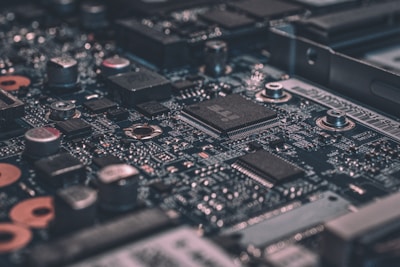
Improved Electrical Resistor
Invented a wire precision resistor used in computers, radios, and pacemakers.
Background:
Held 26 patents. His resistor could withstand extreme temperature changes and pressure, making it ideal for military and medical applications. His work on the pacemaker has saved millions of lives.
Key Innovation:
Precision resistor that could function reliably in extreme conditions
Modern Relevance:
His pacemaker control unit is still used in heart implants worldwide, and his resistors are in countless electronic devices

Mark Dean
IBM PC & Color Monitor
Co-invented the IBM personal computer and led the team that developed the color PC monitor.
Background:
Computer scientist and engineer who co-created the ISA bus, allowing peripherals to be plugged into computers. He also led the team that developed the first gigahertz chip. Currently holds over 20 patents.
Key Innovation:
ISA system bus - the architecture that allows computers to connect to printers, modems, and other devices
Modern Relevance:
Every modern computer's ability to connect to external devices is based on his innovations
Medical & Health
Dr. Charles Drew
Blood Plasma Storage
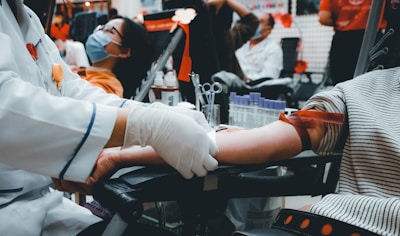
Developed improved techniques for blood storage and created the first large-scale blood banks.
Background:
Pioneered the concept of blood banks and organized America's first large-scale blood banking program. He proved that plasma could be preserved and stored for longer periods than whole blood, making blood transfusions more practical and safe.
Key Innovation:
Method for processing and preserving blood plasma for transfusions
Modern Relevance:
Every blood bank and transfusion center worldwide uses his preservation methods
Dr. Patricia Bath
Laserphaco Probe
Invented a laser device to remove cataracts, restoring sight to people who had been blind for decades.
Background:
Ophthalmologist who completed her residency at NYU and Columbia University. Her laser probe made cataract surgery more precise and less invasive. She personally restored sight to individuals who had been blind for over 30 years.
Key Innovation:
Used laser technology to remove cataracts quickly, painlessly, and with greater precision
Modern Relevance:
Laser cataract surgery is now the standard procedure, performing millions of sight-restoring operations annually

Dr. Jane Wright
Chemotherapy Techniques
Pioneered the use of chemotherapy to treat cancer and developed new methods for testing drugs.
Background:
Cancer researcher who developed the technique of using human tissue culture rather than laboratory mice to test potential drugs. This method was more accurate and led to the development of methotrexate and other chemotherapy drugs.
Key Innovation:
Human tissue culture testing for cancer drugs, making chemotherapy more targeted and effective
Modern Relevance:
Modern oncology and personalized cancer treatment protocols are based on her pioneering research methods
Food & Culinary
Joseph Lee
Bread Crumbing Machine
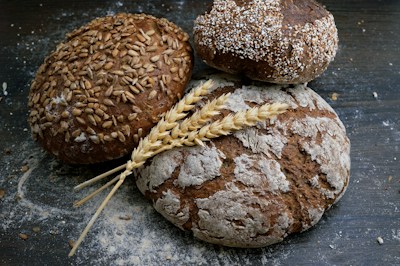
Invented a machine that automated the process of crumbing bread.
Background:
Successful entrepreneur who owned two restaurants in Boston. Noticed that large amounts of bread were being wasted and invented a machine to convert stale bread into breadcrumbs automatically.
Key Innovation:
Automated breadcrumb production, turning food waste into a valuable product
Modern Relevance:
Food recycling and waste reduction industries use similar principles to create new products from food waste
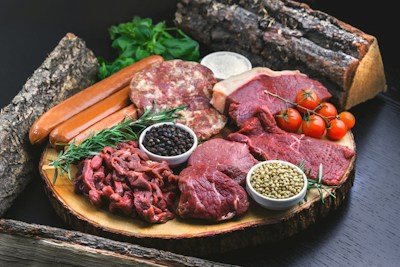
Lloyd Hall
Food Preservation Methods
Developed techniques for curing and preserving meats using nitrogen and salt.
Background:
Chemist who revolutionized meat preservation and food safety. He developed the use of antioxidants to prevent food spoilage and invented flash-drying techniques for seasonings and preservatives.
Key Innovation:
Nitrogen-based preservation system that kept meat fresh without harmful chemicals
Modern Relevance:
Modern food preservation, from packaged meats to processed foods, relies on his chemical preservation techniques
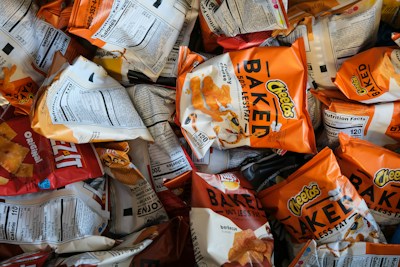
George Crum
Potato Chips
Accidentally invented potato chips when a customer complained his fries were too thick.
Background:
Chef at Moon's Lake House resort in Saratoga Springs, NY. When a customer kept sending back fried potatoes complaining they were too thick, Crum sliced them paper-thin and fried them crisp as a joke. The customer loved them, and 'Saratoga Chips' became famous.
Key Innovation:
Created the potato chip by slicing potatoes extremely thin and frying them until crispy
Modern Relevance:
The snack food industry generates billions annually, all stemming from his culinary innovation
Patent
A government license that gives an inventor exclusive rights to make, use, or sell an invention for a certain number of years
Innovation
A new method, idea, or product that improves upon existing solutions
Prototype
An early sample or model built to test a concept or process
Crop Rotation
The practice of growing different crops in succession on the same land to improve soil health
Resistor
An electrical component that limits or regulates the flow of electrical current in a circuit
Blood Plasma
The liquid portion of blood that can be separated and stored for transfusions
Preservation
The process of treating food or other materials to prevent decay
Understanding Impact
- How did George Washington Carver's innovations help Southern farmers overcome economic challenges?
- Explain how Frederick McKinley Jones's refrigeration system changed the food industry permanently.
- Why was Garrett Morgan's 'warning' position on traffic lights a life-saving innovation?
Making Connections
- Compare the impact of Dr. Charles Drew's blood banking system during WWII to its importance today.
- How did Mark Dean's computer innovations make technology more accessible to everyday people?
- What challenges did these inventors face that made their achievements even more remarkable?
Critical Thinking
- Many of these inventors solved everyday problems. What everyday problem would you like to solve with an invention?
- Why is it important that these inventors' stories are taught in schools?
- How did economic barriers and discrimination affect these inventors' ability to profit from their inventions?
Timeline Creation
Create a visual timeline showing when each invention was created and how they built upon each other.
Impact Analysis
Choose three inventors and write a paragraph for each explaining how your daily life would be different without their inventions.
Inventor Biography
Research one inventor in depth and create a presentation about their life, challenges, and achievements.
Modern Innovation Challenge
Identify a problem in your community and design an invention to solve it, inspired by these inventors' problem-solving approaches.