
www.afroknowledge.com
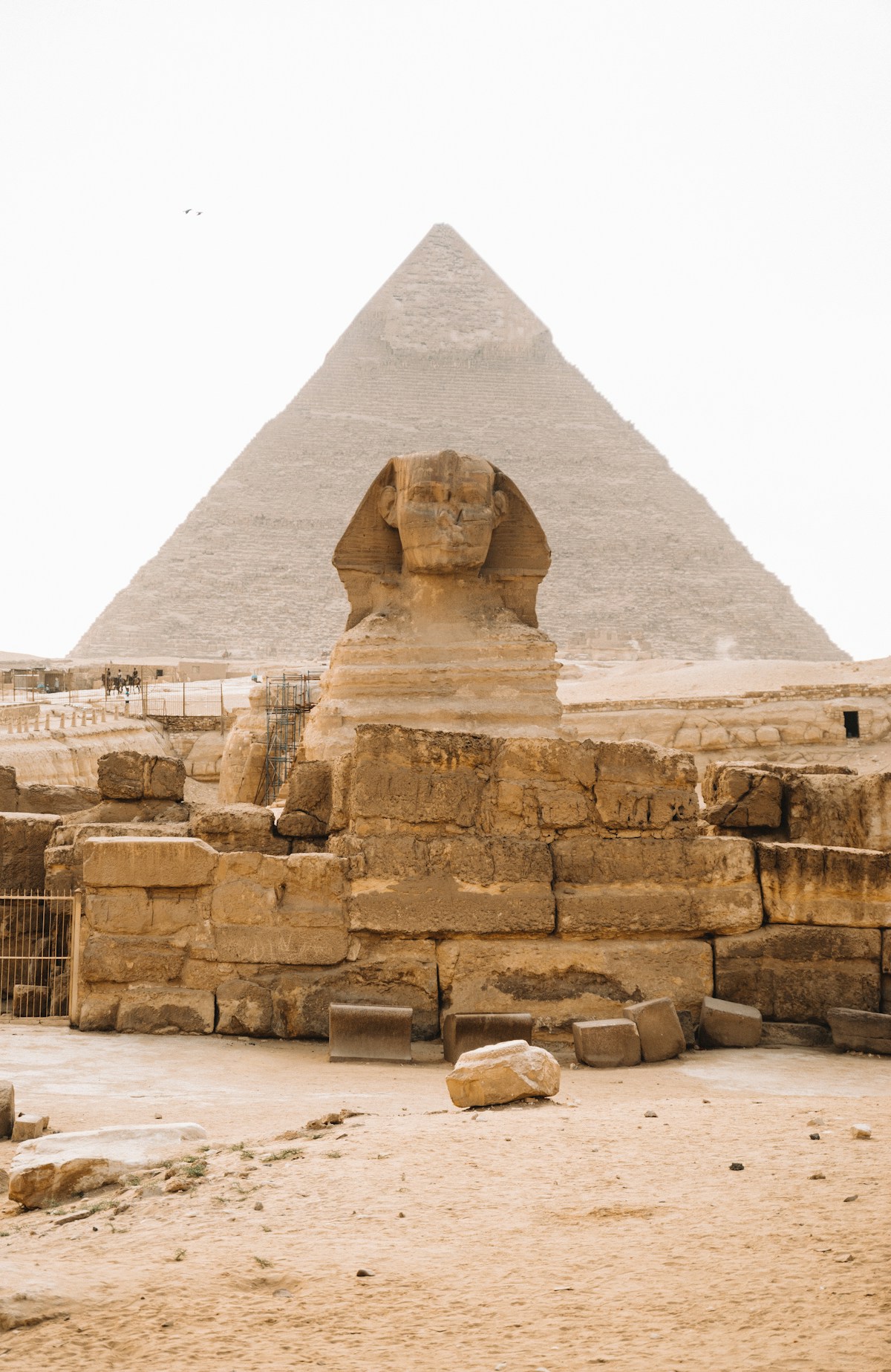
Ancient Egyptian Architecture Timeline
4,000 years of monumental building achievements
Sections
Ancient Egyptian architecture evolved over 3,000 years, from simple mud-brick structures to the most magnificent stone monuments ever built. This timeline traces the remarkable journey of innovation, artistry, and engineering genius.
Early Dynastic Period
c. 3100 - 2686 BCE

The birth of monumental architecture in Egypt, marked by the construction of mastabas - rectangular mud-brick tombs that would evolve into pyramids.
Key Innovations:
- • Development of mud-brick construction techniques
- • Introduction of the mastaba tomb design
- • Early use of stone in construction for floors and doorways
Notable Structures:
Mastaba tombs at Saqqara
Precursors to pyramid construction
Old Kingdom - The Pyramid Age
c. 2686 - 2181 BCE
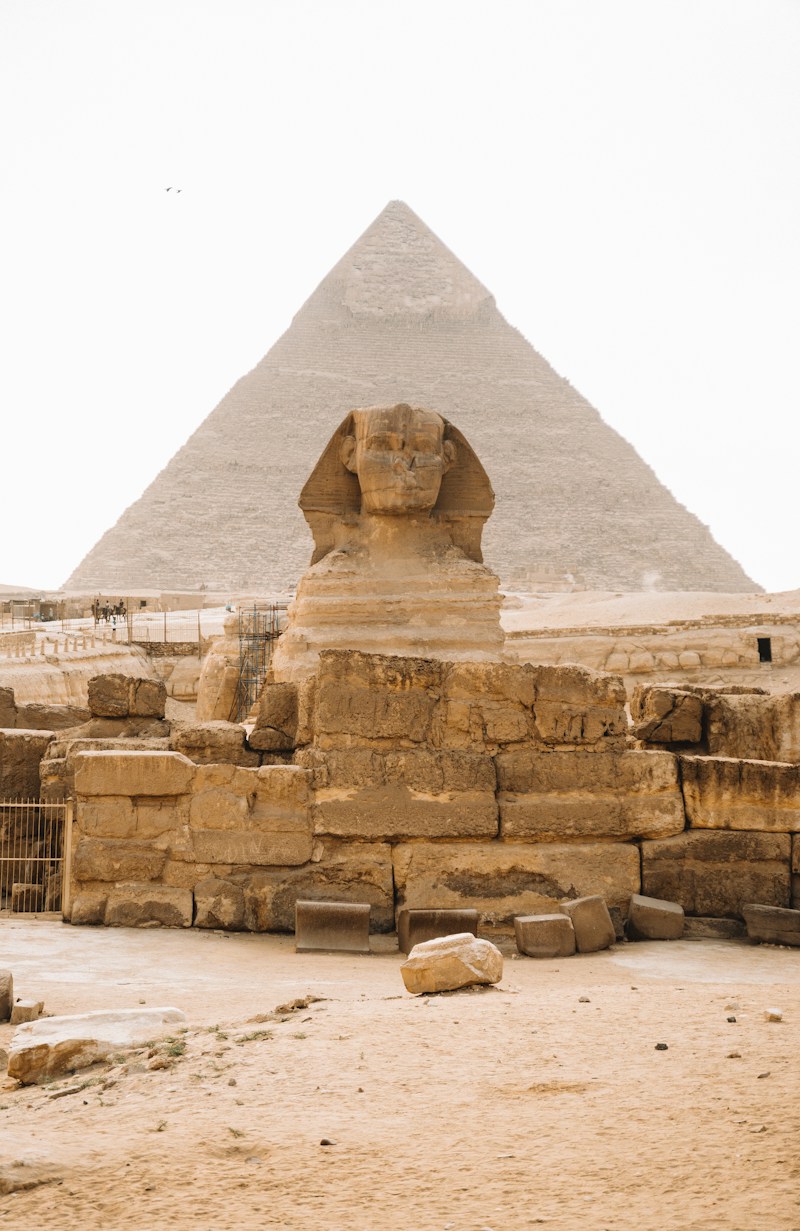
The golden age of pyramid construction. Egyptian architects perfected the art of building massive stone monuments that have endured for over 4,500 years.
Key Innovations:
- • Invention of the true pyramid shape
- • Advanced quarrying and stone-moving techniques
- • Precise astronomical alignment of structures
- • Development of internal chamber systems
Notable Structures:
Step Pyramid of Djoser
First large-scale stone structure, designed by architect Imhotep
Great Pyramid of Khufu (Giza)
Largest pyramid ever built, one of the Seven Wonders of the Ancient World
Pyramid of Khafre
Second largest pyramid, retains some of its original limestone casing
Pyramid of Menkaure
Third pyramid of Giza, smaller but equally precise
Middle Kingdom
c. 2055 - 1650 BCE
A period of architectural refinement with smaller but more complex pyramids. Architects focused on interior design and security measures to prevent tomb robbery.
Key Innovations:
- • Complex internal maze designs to deter tomb robbers
- • Use of mud-brick cores with stone casing
- • Development of hidden entrances and false chambers
- • Advanced drainage systems
Notable Structures:
Pyramid of Amenemhat III
Featured complex internal labyrinth
White Chapel of Senusret I
Elegant limestone kiosk with detailed reliefs
New Kingdom - Temple Era
c. 1550 - 1077 BCE
Shift from pyramid building to grand temple construction. This era produced the most magnificent temples in Egyptian history, characterized by massive columns, hypostyle halls, and towering pylons.
Key Innovations:
- • Hypostyle halls with massive columns
- • Towering pylon gateway designs
- • Obelisk construction and raising techniques
- • Rock-cut temples carved into cliff faces
- • Advanced relief carving and painting
Notable Structures:
Temple of Karnak
Largest religious complex ever built, expanded over 2,000 years
Temple of Luxor
Magnificent temple connected to Karnak by the Avenue of Sphinxes
Abu Simbel Temples
Four colossal statues of Ramesses II, relocated in modern times to save them from flooding
Temple of Hatshepsut
Unique terraced mortuary temple built into cliff face
Valley of the Kings
Hidden royal tombs with elaborate underground chambers
Late Period & Ptolemaic Era
c. 664 - 30 BCE
Blend of traditional Egyptian and Greek architectural styles. Temples continued to be built and restored, incorporating new design elements while respecting ancient traditions.
Key Innovations:
- • Fusion of Egyptian and Hellenistic styles
- • Birth houses (mammisi) attached to temples
- • More ornate column capitals
- • Integration of Greek architectural orders
Notable Structures:
Temple of Horus at Edfu
Best-preserved ancient Egyptian temple
Temple of Isis at Philae
Beautiful island temple combining Egyptian and Greek elements
Dendera Temple Complex
Famous for its zodiac ceiling and well-preserved colors